
21ST International Conference on Multibody Systems, Nonlinear Dynamics, and Control (MSNDC)
as part of ASME IDETC-CIE
Venue: hilton anaheim, Anaheim, CA, USA
Dates: August 17-20, 2025
Organizers:
Andreas Zwölfer, andreas.zwoelfer@tum.de
Andrea Arena, andrea.arena@uniroma1.it
James R. Chagdes, james.chagdes@miamioh.edu
Andrea Zanoni, andrea.zanoni@polimi.it
Overview
The International Conference on Multibody Systems, Nonlinear Dynamics, and Control (MSNDC) is held annually at the ASME IDETC-CIE Conference. It is a premier meeting event for professional networking and research exchange across the multibody systems and nonlinear dynamics technical community. The conference facilitates the dissemination of fundamental research in the enabling disciplines as well as research into their application to engineered or naturally occurring mechanical systems across all length and time scales.
Don’t Miss MSNDC Spotlight Sessions
| Title | Speaker(s) | Date & Time | Room | Chair |
|---|---|---|---|---|
| Nonlinear Dynamics Keynote | Walter Lacarbonara | Mon, Aug 18, 8:00-9:00am | Huntington A | Andrea Arena |
| Multibody Systems Keynote | Johannes Gerstmayr | Tue, Aug 19, 8:10–9:10am | Huntington A | Andreas Zwölfer |
| JCND Best Paper Award | Ahmed Shabana, Moataz Abdalla | Tue, Aug 19, 2:20–4:00pm | Huntington A | Andrea Zanoni |
| Lyapunov Award | George Haller | Wed, Aug 20, 8:00–9:40am | Huntington A | James Chagdes |
| TC-MSND Meeting | – | Tue, Aug 19, 6:10–7:10pm | Huntington A | Radu Serban |
HIGHLIGHTS
Special issue of JCND Selected papers will be considered for journal publication
Student Paper Competition with cash awards
Best Paper Competition All full-length papers will be considered automatically.
Keynote Lectures
JCND BEST PAPER AWARD LECTURE – M. ABDALLA & A. A. SHABANA
Kinetic- and Strain-Energy Approaches in the Thermal Analysis of Constrained Mechanical Systems: A Comparative Study
ABSTRACT:
Despite the unconstrained thermal expansion is assumed stress-free, the conventional FE approach requires formulating elastic forces, and this in turn leads to elastic stresses. A displacement-based formulation, on the other hand, can be used to address this limitation by converting the thermal energy to kinetic energy instead of strain energy. The fundamental differences between the strain- and kinetic-energy approaches are discussed. It is shown that the unconstrained thermal expansion predicted using the kinetic-energy approach is independent of the continuum constitutive model, and consequently, such a formulation can be used for both solids and fluids. The displacement (kinetic) and strain (stress) formulations are discussed to shed light on the mechanism of thermal expansion at the macroscopic level. The thermal-expansion displacement formulation (TEDF) and position-gradient multiplicative decomposition into thermal and mechanical parts are used to compute the thermal stresses due to boundary and motion constraints (BMC). TEDF implementation issues are discussed and constant matrices evaluated at a preprocessing stage after applying the sweeping matrix technique to eliminate rigid-body thermal-displacement translational modes are identified. Furthermore, the softening effect due to the constitutive-model dependence on the temperature is investigated at high temperatures. Numerical results are presented to show fundamental differences between the TEDF approach that converts heat energy to kinetic energy and conventional FE approach that converts heat energy to strain energy that produces elastic stresses. https://doi.org/10.1115/1.4063725
PROFESSIONAL SHORT BIOS:
Moataz Abdalla is a PhD candidate in Mechanical Engineering at the University of Illinois Chicago (UIC). Since joining the Dynamic Simulation Laboratory (DSL) in 2021, his research has focused on developing advanced numerical methods for thermoelasticity and flexible multibody dynamics. He holds a Master’s degree in Mechanical Engineering from the University of Tennessee at Chattanooga, where he conducted research on the computational modeling of absorbable medical implants. Moataz’ current work at UIC combines the Absolute Nodal Coordinate Formulation (ANCF) with a novel kinetic-energy-based approach to simulate coupled thermomechanical behavior in flexible multibody systems. This work aims to overcome key limitations in conventional FE methods commonly used for modeling thermomechanical problems, particularly in the context of large deformation and complex material behavior.
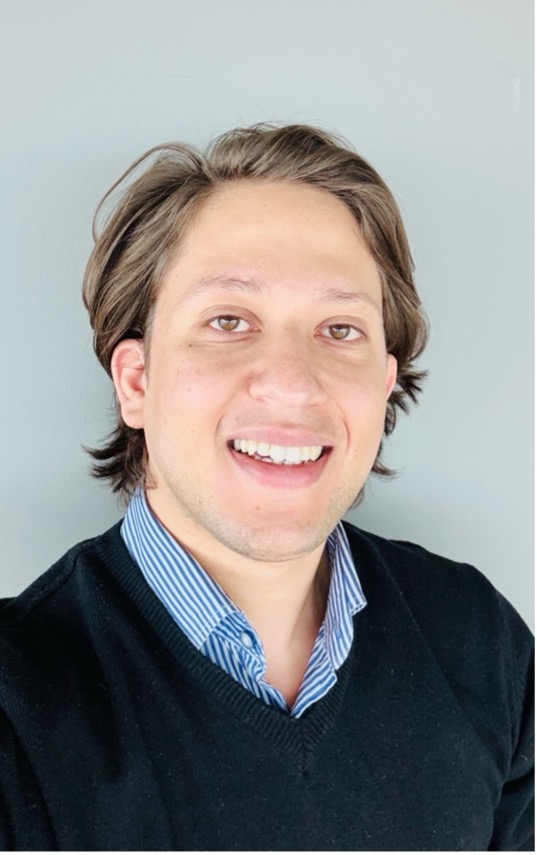
Ahmed A. Shabana is a Professor of Mechanical Engineering at the University of Illinois at Chicago (UIC). He teaches dynamics, vibration, and computational mechanics courses and has book and technical-paper publications in these areas. He is a Fellow of ASME and served as the Chair of the ASME Design Engineering Division (DED). He is the Founding Chair of the ASME Technical Committee on Multibody Systems and Nonlinear Dynamics and Founding Chair of the ASME International Conference on Multibody Systems, Nonlinear Dynamics, and Control.
LYAPUNOV AWARD LECTURE – GEORGE HALLER
Nonlinear Spectral Modeling from Data
ABSTRACT:
I discuss a dynamical systems alternative to neural networks in the data-driven reduced-order modeling of nonlinear phenomena. Specifically, I show that the recent concept of spectral submanifolds (SSMs) provides very low-dimensional attractors in a large family of mechanics problems ranging from wing oscillations to transitions in shear flows. A data-driven identification of the reduced dynamics on these SSMs gives a mathematically justified way to construct accurate and predictive reduced-order models for solids, fluids and controls without the use of governing equations. I illustrate this on physical problems including the accelerated finite-element simulations of large structures, prediction of transitions to turbulence, reduced-order modeling of fluid-structure interactions, extraction of reduced equations of motion from videos, and model-predictive control of soft robots.
PROFESSIONAL SHORT BIO:
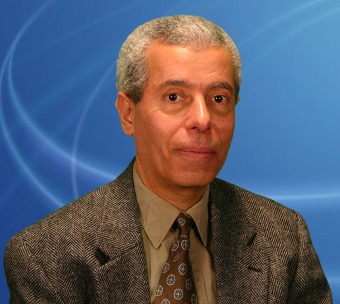
George Haller is a professor of Mechanical Engineering at ETH Zürich, where he holds the Chair in Nonlinear Dynamics and heads the Institute for Mechanical Systems. His prior appointments include tenured faculty positions at Brown, McGill and MIT. He also served as the inaugural director of Morgan Stanley’s fixed income modeling center. Professor Haller is a recipient of a Sloan Fellowship, an ASME Thomas Hughes Young Investigator Award, the Stanley Corrsin Award of the APS, and the Lyapunov Award of the ASME. He is an external member of the Hungarian Academy of Science and an elected fellow of SIAM, APS and ASME.

He currently serves as feature editor at Nonlinear Dynamics and senior editor at the Journal of Nonlinear Science. His research focuses on nonlinear dynamical systems with applications to mechanical vibrations, coherent structures in turbulence, and data- and equation-driven model reduction for physical systems. He has authored three monographs in these areas.
MULTIBODY SYSTEMS KEYNOTE – JOHANNES GERSTMAYR
Applications and opportunities for AI in multibody dynamics
ABSTRACT:
Artificial intelligence (AI) and machine learning are redefining the landscape of engineering, in particular multibody dynamics (MBD), opening unprecedented opportunities in simulation, teaching, and industrial applications. Large language models (LLMs) and advanced neural networks are driving innovations that enhance computational efficiency, accuracy, and accessibility in this traditionally complex domain. We present a novel “lab-in-the-loop” approach to systematically evaluate and validate the ability of LLMs to perform virtual MBD experiments. This framework automates the generation of simulation code, validation of conjectures, and extraction of results. For example, the LLM generates a Python-based simulation model to validate a hypothesis about the degrees of freedom in an MBD system, leading to the creation of a synthetic yet validated knowledge base. Preliminary results highlight the potential of this method to automate the assessment of LLM capabilities and fine-tune models for MBD tasks, enabling direct interaction with simulation tools using natural language. We also show that neural networks provide computationally efficient alternatives for tasks like simulating multibody systems at the component level, integrating seamlessly with classical numerical methods such as implicit time integration methods. Furthermore, machine learning techniques excel in real-world applications, such as classifying operating states in multibody dynamic systems using raw acceleration signals, overcoming challenges posed by limited and noisy datasets. Finally, we introduce SLIDE, a deep-learning-based method for predicting dynamic responses in MBD systems. In case of forced oscillations or controlled machines, this method allows to independently estimate input-output sequences, achieving remarkable speedups—up to million times faster—compared to traditional simulations. This method incorporates an error estimator, ensuring a safe application of the method. By highlighting the latest advancements of AI applications for engineering, this presentation emphasizes the outstanding potential of AI in MBD and beyond.
PROFESSIONAL SHORT BIO:
After finishing his studies in mechatronics, Johannes Gerstmayr started as a research assistant in the special research area SFB13 on Numerical and Symbolical Mathematics within the project “Structural dynamics of elasto-plastic multibody systems” in 1998. He received his doctoral degree at the Johannes Kepler University Linz in 2001. After several research visits to UIC Chicago, IST Lisbon and University Duisburg-Essen with research focus on computational methods for flexible multibody systems, he finished his habilitation in Technical Mechanics in 2007.
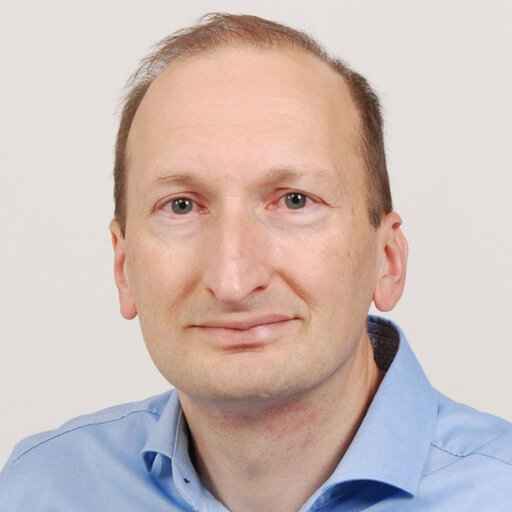
In the same year, he joined the Linz Center of Mechatronics (LCM) as a key researcher and became leader of the business unit Dynamics and Control. In 2014 he became full professor at the newly funded Department of Mechatronics at the University of Innsbruck. He received the Wilhelm Macke-Prize in 2005, the Upper Austrian Innovation Award in 2013, and several best paper awards hereafter. His research interests are computational methods for multibody systems, deformable bodies, robotics, machine learning methods and AI. He is associate editor of Multibody System Dynamics and in the editorial advisory board of Acta Mechanica. He served as a reviewer for more than 25 scientific journals, co-authored 70 papers in scientific journals and more than 120 proceedings papers, book chapters and patents.
NONLINEAR DYNAMICS KEYNOTE – WALTER LACARBONARA
Multi-bandgap nonlinear metamaterials
ABSTRACT:
This talk explores 1D and 2D metamaterials featuring a periodic arrangement of highly tunable infinite-dimensional resonators, such as cantilevers with tip masses and spider-web membranes. These resonator-embedded metamaterials exhibit distinctive dispersion characteristics, including the emergence of single and multiple band gaps. The sensitivity of these band gaps to key design parameters is examined. By harnessing tailored geometric and material nonlinearities, the resonators significantly enhance band gap behavior. Using a perturbation approach, we compute nonlinear wave frequencies and waveforms both near and away from internal resonances, showcasing remarkable nonlinear tunability—an essential attribute for advanced applications. To validate our theoretical predictions, we experimentally test various 3D-printed metamaterial samples using 3D laser scanning vibrometry. The results reveal fascinating wave propagation properties and confirm the enhanced performance driven by nonlinear effects.
PROFESSIONAL SHORT BIO:
Walter Lacarbonara is a Professor of Nonlinear Dynamics at Sapienza University and Director of the Sapienza Center for Dynamics. During his graduate education he was awarded a MS in Structural Engineering (Sapienza University) and a MS in Engineering Mechanics (Virginia Tech, USA), and a PhD in Structural Engineering (Sapienza/Virginia Tech). His research interests cover nonlinear structural dynamics; metamaterials and nanostructured composites; asymptotic techniques; nonlinear control of vibrations; experimental nonlinear dynamics; dynamic stability of structures.

He is Editor-in-Chief of Nonlinear Dynamics, former Associate Editor for ASME Journal of Applied Mechanics, Journal of Vibration and Acoustics, Journal of Sound and Vibration. He served as Chair of the ASME Technical Committee on Multibody Systems and Nonlinear Dynamics, General Co-Chair and technical program Co-Chair of the ASME 2015 (Boston, USA) and 2013 (Portland, USA) IDETC Conferences. He has organized over 10 international symposia/conference sessions and, very recently, the 1st, 2nd, 3rd, and 4th International Nonlinear Dynamics Conferences (NODYCON). His research is supported by national and international sources (EOARD/AFOSR, NSF, European Commission, Italian Ministry of Science and Education). He has published over 250 papers and conference proceedings, 5 international patents (EU/USA/China), 26 book chapters, 9 co-edited Springer books and a single-authored book (Nonlinear Structural Mechanics, Springer, NY) for which he received the 2013 Texty Award nomination by Springer US.
Call for Papers
Paper submission
Full-paper submission
- Recommended Length: 10 pages
- Best Paper Award: All papers are automatically considered for this award.
- Submission Template: Latex
Presentation-only submission
- Submission Process: Please submit an extended abstract (maximum 2 pages) describing the content of your planned presentation. You may use the same template as for full paper submissions. Note that the deadline for extended abstracts is later than that for full papers.
- Review Process: The extended abstract will be reviewed for relevance to the conference.
- Publication Information: The abstract will be used only in the review stage, and will not be published in the proceedings. Thus, the work will also not be copyrighted by ASME.
Student Paper Competition Information
Finalists of the Student Paper Competition will be awarded cash prizes
Submission Guidelines
- Please submit your paper as a regular “technical paper publication” on the conference submission site (select MSNDC). The conference organizers will identify the papers eligible for the student paper competition.
- Please submit to the symposium that best matches the technical content of the paper.
There will be no direct submissions to student paper competition.
During the submission of your work, check the box:

- ELIGIBILITY: The lead author and presenter must be a student
- The 10-page maximum limit will be strictly enforced to ensure fairness. Competitive papers longer than 10-pages may be asked to resubmit a 10-page version prior to final evaluation.
The anticipated evaluation criteria are listed below to aid the authors. Both the paper and presentation will be evaluated.
Manuscript Evaluation
- Originality:
- Distinguishing the paper from the authors’ previous work
- Distinguishing the paper from the research in that area
- Technical content and quality:
- Literature review
- Method description
- Results and analysis of the results
- Novelty of the method
- Relevance and contribution:
- Relevance of the paper to the symposium topic
- Contribution of the paper to the symposium topic
- Organization and clarity:
- Fluency of the paper
- Definition of the mathematical terms and concepts used in the paper
- Quality of the figures
- Relevance of the figure captions with the content of the figures
- References to the figure in the text
- Necessary information about the paper and contribution in the abstract and conclusion
Presentation Evaluation
- Introduction:
- The research question/hypothesis was clearly stated.
- The goals and specific objectives were presented.
- The project had sufficient, supporting background.
- Methods and results:
- The methods were clearly outlines/explained.
- The presented acknowledged limitations of the study.
- The results were clearly explained/highlighted.
- Conclusions:
- A review/summary of the project was presented.
- The significance of the results was discussed.
- The applicability of the results was discussed.
- Presentation style:
- Presentation was clear, readable, well-structured, and logical.
- The presentation fit into the allotted time.
- The student seemed knowledgeable, exhibited good voice projection and confidence, and responded well to questions from the audience.
Deadlines
- Submission of Full-Length Paper: March 17, 2025
- Paper Reviews Completed: April 21, 2025
- Presentation Only Extended Abstract & Poster Submission: April 21, 2025
- Author Notification of Decision: April 28, 2025
- Submission of Copyright Form: May 16, 2025
- Final Paper Submission: May 19, 2025
- Registration Date: TBD
Symposia
MSNDC-01 Nonlinear Dynamics and Control of Smart Structures and Systems
(Cross-Listed with VIB-01 and MNS-01)
Andrea Arena, Sapienza University of Rome, andrea.arena@uniroma1.it
Francesco Danzi, University of California Merced, fdanzi@ucmerced.edu
The Symposium is focused on Nonlinear Dynamics and Control of Smart Structures and Systems across different scales, from the nano- to the meso-scale, including nanocomposites and metamaterials-based structures, MEMS and NEMS, and the macro-scale, including complex mechanical systems. The relevant systems involve innovative applications in the field of mechanical engineering. The symposium gathers researchers from industry, academia, and government agencies working in the most innovative areas of nonlinear dynamics and vibration to discuss recent developments in experimental, analytical, and numerical techniques as applied to the synthesis, characterization, and control of Smart Materials and Structures, and Complex Systems. Papers are welcome in the area of analytical modeling and numerical simulations of linear and nonlinear dynamic phenomena, numerical and analytical studies on the dynamic stability of systems, wave propagation and absorption, vibration control and experimental characterization of nonlinear dynamic behaviors. The symposium also intends to encourage interactions between theoretical and applied researchers working in the most innovative areas of nonlinear dynamics. The symposium will also be a great opportunity for disseminating recent developments of experimental, analytical and numerical techniques, and for discussing novel phenomena and behaviors characterizing smart materials and structures. The symposium “Nonlinear Dynamics and Control of Smart Structures and Systems” will cover, but will not be limited to, the following topics:
- Characterization of the vibration and dynamic response of smart structures and systems;
- Reduced-order modeling of smart structures and systems;
- Nonlinear dynamics of continuous and discontinuous mechanical systems;
- Nonlinear dynamic phenomena and interactions in mechanical systems and structures;
- Dynamic stability of nonlinear systems due to multiphysics interaction;
- Experimental studies of observed linear and nonlinear dynamic phenomena;
- Wave propagation and absorption in smart structures and systems;
- Bifurcations and chaos in dynamic systems;
- Asymptotic methods in nonlinear dynamics;
- Non-smooth systems;
- Novel vibration control devices;
- Hybrid techniques that blend active and passive vibration control;
- Dynamics and vibrations of MEMS and NEMS;
- Dynamics and control of multi-body micro- and nano-systems;
- Dynamics and control of coupled thermal, electrostatic, magnetic, elastic MEMS/NEMS;
- Collective behaviors, such as localization and synchronization in MEMS/ NEMS;
- Innovative concepts of sensing and actuating based on nonlinear MEMS/ NEMS;
MSNDC-02 Nonlinear Dynamics of Systems and Nonlinear Phenomena
(Cross-Listed with VIB-02)
Dumitru Caruntu, University of Texas Rio Grande Valley, dimitru.caruntu@utrgv.edu
Ashu Sharma, Auburn University, asharma@auburn.edu, asharma@auburn.edu
John W. Sanders, The Citadel, jsande12@citadel.edu
Real-world problems seldom adhere to linear or nearly linear behaviors. Decades of work has led to the explorations of a galaxy of nonlinear dynamics phenomena, unveiling terrains for exciting applications across the spectrum of science and engineering. Today, we stand witness to the flourishing of significant and exciting new advances in nonlinear dynamics far beyond the known limitations. This forthcoming joint symposium is designed to serve as a forum for exchanging insights and discussions on recent breakthroughs in theoretical, computational, experimental, and applied aspects of modeling, analyzing, and controlling nonlinear systems. Papers in the following areas are particularly encouraged:
- Nonlinear Resonances, Phenomena, and Interactions;
- Dynamic Systems with Time-Variability, Delay, or Discontinuities;
- Reduced-Order Modelling;
- Fractional Dynamics;
- Structural Dynamics;
- Flexible Slender Structures;
- Nonlinear Energy Transfers and Harvesting;
- Vibration and Stability of Systems;
- Computational Methods;
- Optimization and Control;
- Sensitivity Analysis and Design;
- Nonlinear Dynamics and Fracture of Composite Structures;
- Nonlinear Metamaterials and Metastructures;
- Soft Systems and Structures;
- Nonlinear Noisy Systems.
MSNDC-03 Contact Dynamics of Mechanical Structures
(Cross-Listed with VIB-03)
João Paulo Flores Fernandes, University of Minho, pflores@dem.uminho.pt
Hamid M. Lankarani, Wichita State University, hamid.lankarani@wichita.edu
This symposium is focused on the study of mechanical joints, contact, friction, and damping. The aim is to promote discussion, enhance understanding, and generate new insights into the connections between tribological-level friction, contact mechanics, and the dynamic responses of built-up assemblies with mechanical contact at a structural level. This symposium invites papers addressing all aspects of the dynamics and mechanics of contact and friction, with particular emphasis on the following challenges: reduced order modeling, advanced analytical/numerical methods, nonlinear analysis, nonlinear normal modes, data-driven methods, and reverse modeling and system identification. Other key areas of interest include hysteresis in jointed structures, the repeatability and variability of response, physical theories and studies of friction, measurements and predictions of energy dissipation and damping, methods to account for uncertainty and nonlinearity in structures with contact and friction, and the development and validation of predictive models of contact.
MSNDC-04 Data-Driven and Machine Learning Techniques in Vibrations and Dynamics
(Cross-Listed with VIB-04)
Amin Ghadami, University of Southern California, ghadami@usc.edu
Vipin Kumar Agarwal, University of Memphis, vipin.a@memphis.edu
This symposium aims to bring together researchers advancing the use of data-driven and machine learning techniques in the fields of vibrations and dynamics. These approaches have shown significant promise in advancing the fields of vibrations and dynamics, offering innovative techniques to model, understand, and control complex systems and structures. This symposium will highlight cutting-edge research, methodologies, and applications that leverage state-of-the-art data-driven methods and machine learning techniques within the domain of vibrations and dynamics. Topics to be covered include, but are not limited to, the following applications of data-driven and machine learning techniques in vibrations and dynamics:
- Time series analysis and prediction;
- Dynamic modeling and vibration analysis of nonlinear systems and structures;
- Discovery of governing equations;
- Reduced-order modeling in vibrations and dynamics;
- Feature extraction for vibrations and dynamics;
- Integration of physics-based models with data-driven methods for improved understanding;
- Control of vibrations and dynamics;
- Predictive maintenance and condition monitoring of mechanical systems.
MSNDC-05 Dynamics of Biological, Bio-Inspired and Biomimetic Systems
(Cross-Listed with VIB-05)
James R. Chagdes, Miami University, james.chagdes@miamioh.edu
Adam Kłodowski, LUT University, adam.klodowski@lut.fi
Sachin Goyal, University of California (Merced), sgoyal2@ucmerced.edu
This symposium brings together a diverse set of researchers who are at the forefront of the emerging field of studying the dynamic aspects of Biological, Bio-inspired and Biomimetic Systems. Researchers conducting traditional or non-traditional academic research, or those driven by industrial applications present their experimental, analytical, and computational studies with Biological, Bio-Inspired and Biomimetic Systems at their focus.
MSNDC-06 Industry Applications of Vibration, Shock, Acoustics and Dynamics
(Cross-Listed with VIB-06)
Ata Donmez, Ohio State University, donmez.4@osu.edu
Isaac Hong, Ohio State University, hong.250@osu.edu
Francesco Trainotti, Technical University of Munich, francesco.trainotti@tum.de
The symposium on Industrial Applications of Vibration, Shock, Acoustics, and Dynamics provides a forum for sharing ideas, activities, best practices, and innovative solutions to applied problems faced by industry, national laboratories, academia, and related partners. Applications ranging from the automotive industry to national defense increasingly require innovative analysis, simulation and testing to solve complex problems involving vibration, acoustics, and dynamics phenomena. Abstracts are invited that cover standard and nonstandard, multi-disciplinary, and systems-level techniques in vibration, acoustics, dynamics, and related areas of application.
MSNDC-07 Computational Methods and Software Tools in Multibody Systems and Nonlinear Dynamics
Francisco González, University of A Coruña, f.gonzalez@udc.es
Grzegorz Orzechowski, LUT University, grzegorz.orzechowski@lut.fi
Radu Serban, University of Wisconsin-Madison, serban@wisc.edu
The symposium focuses on recent advances in theoretical, computational, and applied aspects related to the synthesis, simulation, analysis, control, and optimization of multibody systems and nonlinear dynamics. The scope of the symposium encompasses theoretical developments and novel algorithms, implementation techniques, experimentation and validation, and practical applications. Submissions are welcome on the following and related topics: efficient algorithms and computational strategies (including real-time simulation, Human/Hardware-in-the-Loop and System-in-the-Loop applications, reduced-order models and surrogate models); co-simulation problems (such as fluid/structure interaction and cyber-physical systems); sensitivity analysis and optimization strategies; uncertainty quantification, simulation and optimization under uncertainty; design of experiments and verification methods; and optimal design and control.
MSNDC-08 Motion Planning, Dynamics, and Control of Robots
(Cross-Listed with MR-05)
Andreas Müller, Johannes Kepler University Linz, a.mueller@jku.at
Papers are solicited in the areas of motion planning, dynamics, and control of robots and mechanisms. Theoretical, experimental, and computational aspects are all invited. Topics of interest include, but are not limited to:
- Legged and mobile robots;
- Serial and parallel robots;
- Cable robot and tensegrity mechanism;
- Dynamic analysis, modeling, and simulation;
- Control methods and controller design;
- Trajectory optimization and optimal control;
- Applications of machine learning and AI;
- Manipulation and locomotion;
- Stability and efficiency;
- Mission planning, path planning, and motion planning for robots and autonomous systems.
MSNDC-09 Advances in Vehicle Dynamics and Control
(Cross-Listed with AVT-01)
Hiroyuki Sugiyama, University of Iowa, hiroyuki-sugiyama@uiowa.edu
Paramsothy Jayakumar, US Army GVSC, paramsothy.jayakumar.civ@army.mil
This symposium highlights recent developments in multibody modeling of vehicle dynamics, including control, stability and multi-physics domain computation. Submissions are welcome in the fields of tire/terrain and wheel/rail interactions, vehicle control, including autonomous mobility, intelligent transportation systems, ride comfort, vehicle subsystem modeling, next-generation simulation tools, validation and verification. The symposium aims to provide a platform to discuss the latest research developments, while also welcoming presentations on cutting-edge industrial applications in vehicle modeling for advanced design, the development of digital twins, and advanced control systems.
MSNDC-10 Flexible Multibody Dynamics
Frank Naets, KU Leuven, frank.naets@kuleuven.be
Andreas Zwölfer, Technical University of Munich, andreas.zwoelfer@tum.de
The symposium invites submissions on finite element methods in dynamics and formulations for flexible multibody systems, such as the floating frame of reference and absolute nodal coordinate formulation, including approaches for model order reduction. We are interested in contributions addressing the dynamics of solids and slender structures undergoing large deformations, as well as related topics. Additionally, we welcome research in flexible multibody dynamics covering computational methods, analytical or data-driven approaches, experimental techniques, and applications, e.g., in industrial or biomechanical contexts.
MSNDC-11 Coupled Problems in Multibody Dynamics
Umberto Saetti, University of Maryland, saetti@umd.edu
Pierangelo Masarati, Politecnico di Milano, pierangelo.masarati@polimi.it
This symposium aims to showcase and explore cutting-edge research at the intersection of multibody dynamics and other computational domains. We invite submissions that address the integration of multibody dynamics with fields such as Fluid-Structure Interaction (FSI), Structural-Electromagnetic Couplings, Structural-Thermal Couplings, Co-Simulation of Smooth/Non-Smooth Domains, and Multiscale or Multiphysics systems. Contributions focusing on coupling formulations, solution strategies, software implementations, validation and verification methodologies, as well as industrial and experimental applications, are highly encouraged.
 TC-MSND